Hurricanes along Florida’s Gulf Coast have grown more intense and less predictable over the past two decades, and Tampa sits squarely in the zone where extreme weather events are felt most acutely.
Hurricane impact doors are one of the most practical upgrades a homeowner can make, yet they remain widely misunderstood. Most people know they exist, but far fewer understand what actually makes them work.
What Qualifies a Door as Hurricane Impact Resistant
Not every reinforced door qualifies as hurricane impact-resistant. “To earn that classification in Florida, a door must pass a series of rigorous tests governed by the Florida Building Code,” explains Impact Windows Center. “This includes large missile impact tests where the door is struck with a nine-pound two-by-four fired at high speed, and cyclic pressure tests that simulate the sustained wind loads a major hurricane produces.”
A door that passes these tests is assigned a design pressure rating, which indicates the wind speed it can withstand without failing structurally. In high-velocity hurricane zones, which include much of the Tampa Bay area, minimum ratings are set well above those required elsewhere in the state.
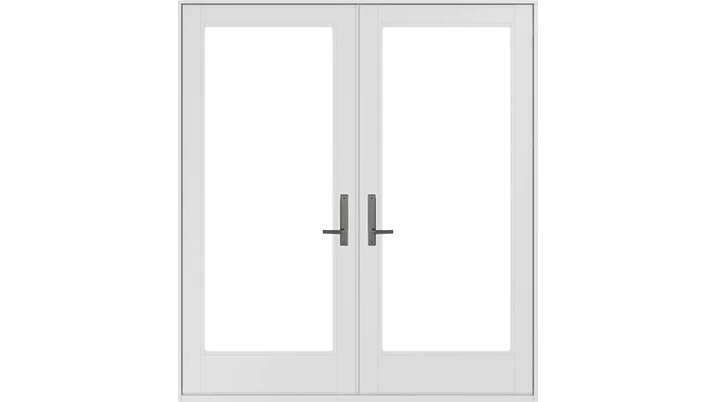
How Hurricane Impact Doors Are Constructed
The core of a hurricane impact door is its glazing, or glass system. Manufacturers bond two panes of tempered or heat-strengthened glass around an interlayer of polyvinyl butyral or ethylene-vinyl acetate, the same lamination technology used in automotive windshields. When struck, the glass may crack, but the interlayer holds the pieces in place, preventing the pressure breach that can lead to catastrophic interior damage.
The frame is equally important. Heavy-gauge aluminum or reinforced steel frames are anchored directly into the structural opening of the home, not simply fitted into the existing door frame.
5 Storm Protection Benefits of Hurricane Impact Doors
- They resist wind pressure continuously, not just on impact. The sustained pressure of a Category 3 or higher hurricane is what causes most structural failures. Impact doors are engineered to flex and hold under prolonged load, not just a single blow.
- They prevent pressure breach. When wind breaches an opening in a structure, interior pressure spikes rapidly, which is what causes roofs to lift. A door that holds keeps the building envelope intact.
- They eliminate the need for storm shutters. There is no boarding up, no storage requirement, and no dependency on having enough warning time to prepare.
- They protect against wind-borne debris. Flying debris is responsible for a significant proportion of hurricane-related injuries and property damage. Impact glazing stops projectiles that would pass straight through a standard door.
- They can help reduce insurance premiums. Most Florida insurers offer discounts for homes with certified impact-rated openings, and some require them for coverage in high-risk zones.
The Energy Efficiency Case for Impact Doors
The same laminated construction that makes impact doors resilient in a storm also improves insulation performance. The multi-layer glazing reduces heat transfer significantly compared to standard single-pane glass, which in Tampa’s climate can translate to lower air conditioning loads and reduced energy bills across the year, not just during storm season.
This Is Not a Fixture Worth Cutting Corners On
A hurricane impact door is not a luxury upgrade. In much of Tampa Bay, it is a practical necessity for anyone who plans to ride out a major storm at home, and a financial one for homeowners who want to maintain insurance coverage without paying a premium for inadequate protection.
The upfront cost is higher than a standard door, but the long-term equation, factoring in energy savings, insurance reductions, and the cost of storm damage that a proper door can help prevent, tends to look considerably different.
Impact Windows Center
3547 High Ridge Rd
Boynton Beach
Florida
33426
United States