Expert Guidance for Homeowners and Building Professionals
York, United States – May 20, 2026 / Crack-X Maine /
Foundation problems threaten a property’s safety and value. This guide helps homeowners and building professionals spot foundation damage, recognize common crack types, evaluate repair options, and choose local contractors in the New England region. Early detection reduces costs and preserves structural stability.
Identifying Signs of Foundation Damage
Watch for visible wall cracks, damp patches, and musty odors—each can indicate underlying foundation or moisture issues that affect structural integrity.
- Visible Wall Cracks: Cracks may signal shifting or settling foundations needing assessment.
- Damp Patches: Persistent moisture on walls or floors often means water intrusion and risk of mold.
- Musty Odors: Odors commonly accompany moisture problems and warrant inspection.
Addressing these signs promptly prevents escalation.
Common Types of Foundation Cracks
Identifying crack type helps gauge severity and select repairs: hairline, diagonal, and stair-step cracks are the most common.
- Hairline Cracks: Often cosmetic but worth monitoring for growth.
- Diagonal Cracks: Found near windows and doors; may indicate movement.
- Stair-Step Cracks: Follow mortar joints in brickwork and can point to serious issues.
Determining the crack pattern guides the repair approach.
Symptoms of Structural Instability in New England Homes
New England soils and climate can produce localized symptoms. Monitor floors, openings, and junctions where materials meet.
- Sinking or Heaving Floors: Uneven floors often indicate foundation movement.
- Sticking Doors and Windows: Frames that bind suggest shifting foundations.
- Gaps Between Walls and Ceilings: New or widening gaps can mean uneven settling.
These signs merit prompt professional evaluation.
Effective Foundation Repair Methods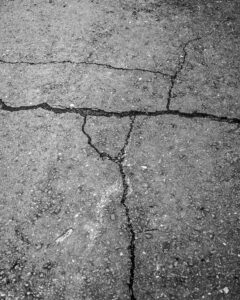
Repair choice depends on damage and cause. Common, proven techniques include:
- Epoxy Injection: Injects resin to seal cracks and restore load path.
- Polyurethane Foam Repairs: Expanding foam fills voids and stabilizes settled slabs.
- Underpinning: Deepens or reinforces footings for significant movement.
Each method tackles specific problems and, when applied correctly, preserves long-term stability.
Epoxy injection is commonly used to restore structural integrity and reduce water intrusion; research has evaluated its effectiveness for concrete crack repair.
Epoxy Injection for Concrete Crack Repair
In 2015, Sarah worked with Opus consultants in Blenheim to investigate the use of epoxy injection for repairing cracks in damaged concrete structures.
Evaluation of epoxy injection method for concrete crack repair, H Askarinejad, 2015
Polyurethane resin is another effective approach for soil stabilization and foundation restoration, particularly for addressing settlement issues.
Soil Stabilization and Foundation Restoration with Polyurethane Resin
Foundation settlement is a primary challenge for construction engineers throughout a project’s lifecycle and can lead to serious consequences. In recent decades, various methods have been used to stabilize soil, lift basements, and reduce further settlements.
Soil stabilization and foundation restoration using an expandable polyurethane resin, MM Sabri, 2018
| Repair Method | Description | Effectiveness |
|---|---|---|
| Epoxy Injection | Seals cracks to restore integrity | High |
| Polyurethane Foam | Fills voids and stabilizes | Moderate |
| Underpinning | Deepens foundation for support | High |
Review methods relative to your property’s symptoms and soil conditions before choosing a repair.
Comparisons of Crack Injection and Structural Stabilization Techniques
Crack injection focuses on sealing and preventing water entry, suitable for minor cracks. Structural stabilization addresses root causes—such as soil movement—often requiring underpinning or similar repairs for long-term stability.
Choose based on severity and the property’s needs.
The Role of Basement Waterproofing
Water management protects foundations. Effective waterproofing keeps water out and preserves structural elements.
- Prevents Moisture Intrusion: Systems channel water away, reducing mold and damage risk.
- Protects Structural Integrity: A dry basement helps maintain surrounding structural components.
Investing in basement waterproofing can extend your home’s lifespan and improve safety.
Expert Recommendations for Selecting Reliable Services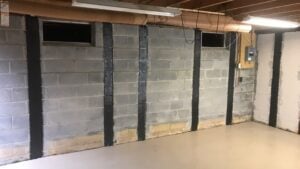
Evaluate contractors on experience, scope, and reputation to find a reliable provider.
- Local Expertise: Prefer firms experienced with New England soils and climate.
- Comprehensive Services: Look for companies offering repair, waterproofing, and crawl-space work.
- References and Reviews: Verify testimonials, licenses, insurance, and ask for written estimates.
CRACK-X of New England specializes in foundation repair and basement waterproofing tailored to the region, including crack repair and crawl space encapsulation.
Following these steps helps homeowners choose appropriate, long-term solutions. Homeowners seeking comprehensive protection should consider specialized foundation repair services.
Recognize signs early, understand repair options, and choose contractors with local expertise to protect your home’s structural integrity. Early action and the right service choices reduce costs and secure long-term safety. Contact a qualified specialist to schedule an inspection and begin stabilization work.
Frequently Asked Questions
What are the long-term effects of ignoring foundation issues?
Ignored issues can lead to progressive structural damage, higher repair costs, mold from moisture, and reduced property value. Prompt repairs protect safety and investment.
How can I find a reputable foundation repair contractor?
Ask for local referrals, check online reviews, and verify licenses and insurance. Request references and written estimates, and favor contractors who provide free inspections.
What is the average cost of foundation repair services?
Costs depend on severity and method. Minor repairs are typically less expensive, while underpinning and major stabilization cost more. Obtain multiple quotes to compare scope and price.
How often should I have my foundation inspected?
Inspect every few years or after noticing cracks, uneven floors, or other warning signs. Regular checks enable early, less costly repairs.
Can I perform foundation repairs myself?
Homeowners can address very minor cosmetic cracks, but most repairs require professional assessment and specialized techniques. Improper repairs can worsen damage.
What role does drainage play in foundation health?
Good drainage prevents water accumulation near the foundation, reducing soil erosion and pressure on walls. Use gutters, downspouts, and grading to direct water away from the foundation.
Are there any warranties for foundation repair services?
Many companies offer warranties ranging from limited-term to lifetime coverage, depending on the repair and policy. Read terms carefully to know what is covered.


Contact Information:
Crack-X Maine
647 US-1 14
York, ME 03909
United States
Doug Chirichiello
(207) 618-9380
https://crackx.com/
