Key Takeaways
- Low testosterone disrupts cholesterol metabolism by reducing Leydig cell activity, leading to increased LDL cholesterol and triglycerides circulating in the bloodstream rather than being converted into hormones.
- Clinical studies frequently demonstrate that properly dosed Testosterone Replacement Therapy reduces total cholesterol, LDL cholesterol, and triglycerides in men with confirmed testosterone deficiency.
- HDL cholesterol response to TRT varies based on dosage – physiological doses maintain or slightly improve HDL levels, while excessive doses can cause more pronounced decreases.
- Regular lipid panel monitoring during TRT treatment ensures optimal cardiovascular outcomes and allows for dose adjustments when necessary.
- Hormone assessment addresses both testosterone deficiency symptoms and cardiovascular risk factors simultaneously.
The relationship between testosterone and cholesterol extends far beyond what most men realise. When testosterone levels drop below healthy ranges, the body’s ability to process cholesterol efficiently becomes compromised, creating a cascade of metabolic changes that directly impact cardiovascular health. Understanding this connection becomes vital for men experiencing symptoms of low testosterone alongside concerning cholesterol readings.
Low Testosterone Disrupts Cholesterol Processing In Your Body
Testosterone deficiency fundamentally alters how the body manages cholesterol metabolism. When testosterone levels decline, the intricate biological systems responsible for cholesterol regulation begin operating inefficiently. This disruption occurs at the cellular level, where hormone production and cholesterol processing are intimately connected.
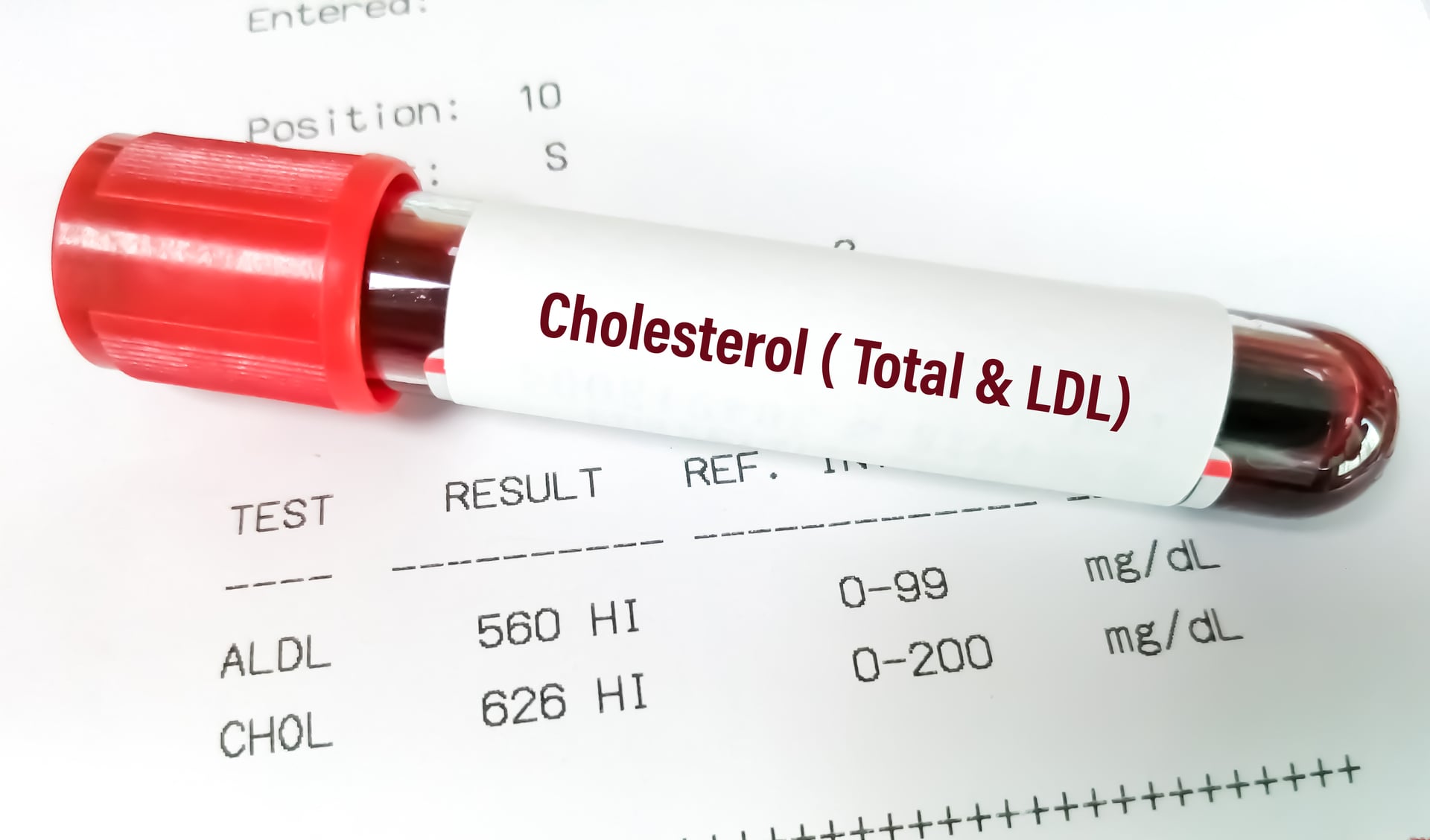
Men with low testosterone typically exhibit elevated total cholesterol, higher LDL (“bad”) cholesterol, and increased triglyceride levels alongside reduced HDL (“good”) cholesterol. These changes don’t happen overnight but develop gradually as testosterone levels remain consistently below optimal ranges. The metabolic shift represents more than just numbers on a blood test – it signals a fundamental change in cardiovascular risk profile.
Research indicates that testosterone deficiency acts as an independent risk factor for metabolic syndrome, which includes dyslipidemia (abnormal lipid levels), insulin resistance, and obesity. According to the experts at TRT Australia, addressing hormone deficiency often improves multiple metabolic markers simultaneously — which is why the link between low testosterone and cholesterol is worth understanding in full.
How Impaired Cholesterol-Testosterone Conversion Affects Lipid Levels
The biological mechanism linking testosterone deficiency to poor cholesterol management centres on specialised cells within the testes and their reduced ability to convert cholesterol into hormones. Understanding this process reveals why testosterone replacement therapy can produce measurable improvements in lipid profiles.
Leydig Cells Convert Cholesterol Into Testosterone
Leydig cells serve as the primary site of testosterone synthesis in men, extracting cholesterol from the bloodstream and converting it through a multi-step enzymatic process into testosterone. These specialised cells function like biological factories, consuming LDL cholesterol as raw material for hormone production. When Leydig cells operate at full capacity, they efficiently remove cholesterol from circulation, maintaining healthy lipid balance.
The conversion process involves several enzymatic steps that transform cholesterol molecules into testosterone. This biological pathway represents one of the body’s most important mechanisms for cholesterol regulation. Healthy Leydig cell function ensures that circulating cholesterol gets converted into essential hormones rather than accumulating in the bloodstream, where it contributes to cardiovascular risk.
Reduced Conversion Leaves Cholesterol Circulating
When Leydig cell function declines due to ageing, chronic illness, or other factors, this conversion process slows considerably. The downstream effects include less cholesterol being extracted from circulation for hormone synthesis, resulting in accumulation of LDL cholesterol in the bloodstream and elevated triglyceride levels due to diminished metabolic activity.
Think of it like a manufacturing facility that reduces output. When production operates at capacity, raw materials get consumed efficiently. When production drops, those materials accumulate. In this case, that surplus cholesterol appears on lipid panels as elevated LDL and triglycerides. This explains why men with testosterone deficiency often see their cholesterol levels worsen even when diet and exercise habits remain unchanged.
Mixed Clinical Evidence On TRT’s Lipid Effects
Clinical research on testosterone replacement therapy’s impact on cholesterol presents a complex but increasingly positive picture. Multiple studies demonstrate significant improvements in key lipid markers, though results vary based on dosage protocols, treatment duration, and individual patient factors.
Long-term Studies Show Favourable Cholesterol Changes
A five-year observational registry study tracking men receiving testosterone replacement revealed sustained improvements in lipid profiles. Participants experienced significant decreases in total cholesterol, LDL cholesterol, and triglycerides throughout the treatment period. Notably, this long-term data also showed a small but measurable increase in HDL cholesterol, challenging assumptions that TRT universally suppresses beneficial cholesterol.
The 2017 Testosterone Trials examined 788 older men with confirmed low testosterone, dividing them into TRT and placebo groups. After one year, men receiving testosterone replacement showed lower total cholesterol and lower LDL cholesterol compared to the placebo group. This substantial sample size in a double-blind trial provides robust evidence that properly administered TRT produces meaningful lipid improvements.
A meta-analysis of multiple clinical studies concluded that TRT significantly reduces total cholesterol and LDL cholesterol in men with low testosterone, supporting its potential cardiovascular benefits. These findings suggest that addressing testosterone deficiency may provide protective effects against heart disease beyond just symptom relief.
Short-term Research Reveals Variable Results
Shorter clinical trials sometimes produce more variable results, reflecting the time required for metabolic changes to fully manifest. During the first 1-3 months of treatment, hormonal stabilisation occurs, and lipid changes may not yet appear on standard panels. This explains why some shorter studies show neutral or inconsistent effects on cholesterol markers.
Early TRT research often used inconsistent dosing protocols, making it difficult to draw definitive conclusions about optimal treatment approaches. Studies that found minimal lipid benefits frequently employed either inadequate doses that failed to restore normal testosterone levels or excessive doses that introduced unnecessary side effects.
HDL Response Depends on Individual Factors
HDL cholesterol response to TRT represents the most complex aspect of lipid changes during treatment. Some studies report modest HDL decreases, whilst others show stable or even slightly increasing levels. This variability appears closely linked to dosage calibration, treatment duration, and individual metabolic factors.
Physiological dosing protocols that restore testosterone to healthy ranges typically preserve HDL levels or produce only minor decreases. When HDL does decline modestly, this change usually occurs alongside larger, more clinically significant improvements in LDL cholesterol and triglycerides, resulting in an overall improved cardiovascular risk profile.
Testosterone Dose Calibration Controls Cholesterol Outcomes
Proper dose calibration represents the most critical factor determining whether TRT improves or compromises cholesterol levels. Studies demonstrating adverse lipid effects frequently involved doses exceeding what’s necessary to restore healthy testosterone levels, highlighting the importance of conservative, medically supervised dosing protocols.
Physiological Doses Optimise Lipid Benefits
Physiological dosing aims to restore testosterone levels to healthy ranges rather than exceed them. This approach consistently produces the most favourable cholesterol outcomes, with studies showing decreases in total cholesterol, LDL cholesterol, and triglycerides alongside stable or slightly improved HDL levels.
The therapeutic goal should focus on restoration rather than enhancement. When testosterone therapy brings levels into the normal physiological range, the body’s natural cholesterol regulation mechanisms can function optimally. This explains why properly dosed TRT often produces sustained lipid improvements that continue throughout long-term treatment.
Conservative dosing protocols also minimise the risk of adverse effects on other health markers. Men receiving physiological doses experience fewer complications and more consistent benefits across multiple metabolic parameters, including cholesterol management.
Excessive Doses Create HDL Trade-offs
Supraphysiological doses (above natural healthy ranges) introduce unnecessary risks to HDL cholesterol whilst providing no additional therapeutic benefits. Studies recording significant HDL decreases typically involved testosterone doses exceeding normal physiological requirements.
Excessive dosing creates a trade-off where modest improvements in LDL and triglycerides come at the cost of more pronounced HDL decreases. This imbalanced response compromises the overall cardiovascular benefit that properly calibrated TRT can provide. Higher doses also increase the risk of other side effects, including elevated red blood cell counts and potential cardiovascular complications.
Monitoring Lipid Panels During TRT Treatment
Monitoring protocols ensure that testosterone replacement therapy produces the expected metabolic benefits whilst identifying any lipid changes requiring protocol adjustments. Regular blood work represents an essential component of responsible TRT management.
Baseline Testing Establishes Starting Point
Baseline lipid panels provide reference points for measuring treatment progress. Understanding where LDL, HDL, and triglycerides sit before treatment begins allows meaningful comparison as therapy progresses. Men with pre-existing cholesterol concerns particularly benefit from a detailed baseline assessment.
Baseline testing should include total cholesterol, LDL cholesterol, HDL cholesterol, and triglycerides alongside other metabolic markers. This complete picture helps clinicians understand each patient’s unique cardiovascular risk profile and tailor treatment protocols accordingly.
Regular Follow-ups Track Cardiovascular Changes
Follow-up lipid panels typically occur at 8 weeks after treatment initiation, with subsequent monitoring ranging from every 3-6 months to annually, depending on individual patient factors and stability of lipid levels. This schedule allows sufficient time for metabolic changes to manifest whilst ensuring any concerning trends get identified quickly.
Regular monitoring serves two purposes: confirming that testosterone therapy produces expected metabolic benefits and identifying any lipid changes requiring dose adjustments. For men with pre-existing cardiovascular conditions, this ongoing oversight provides confidence that treatment improves rather than complicates their risk profile.
Tracking lipid changes over time also helps optimise dosing protocols. If cholesterol improvements plateau or HDL decreases more than expected, clinicians can adjust testosterone doses to maximise benefits whilst minimising any adverse effects.
Assessment Addresses Both Hormone and Cardiovascular Health
Modern testosterone replacement therapy takes an integrated approach to men’s health, recognising that hormone deficiency affects multiple physiological systems. Addressing testosterone deficiency often improves cholesterol levels, energy, mood, and overall metabolic health simultaneously.
Men experiencing symptoms of testosterone deficiency alongside concerning cholesterol results may benefit from hormone evaluation. The interconnected nature of hormonal and cardiovascular health means that treating the underlying hormone deficiency often addresses multiple health concerns more effectively than managing each symptom separately.
Clinical evidence demonstrates that properly administered TRT can improve lipid profiles whilst alleviating symptoms of testosterone deficiency. This dual benefit makes hormone replacement therapy an attractive option for men dealing with both low testosterone and cholesterol concerns. The key lies in working with experienced clinicians who understand how to calibrate treatment for optimal outcomes across all health markers.
For men dealing with both low testosterone symptoms and rising cholesterol, a hormone assessment can be a useful starting point — one that addresses both concerns at once rather than treating them as separate problems.
TRT Australia
7–11 The Avenue
Hurstville
NSW
2220
Australia