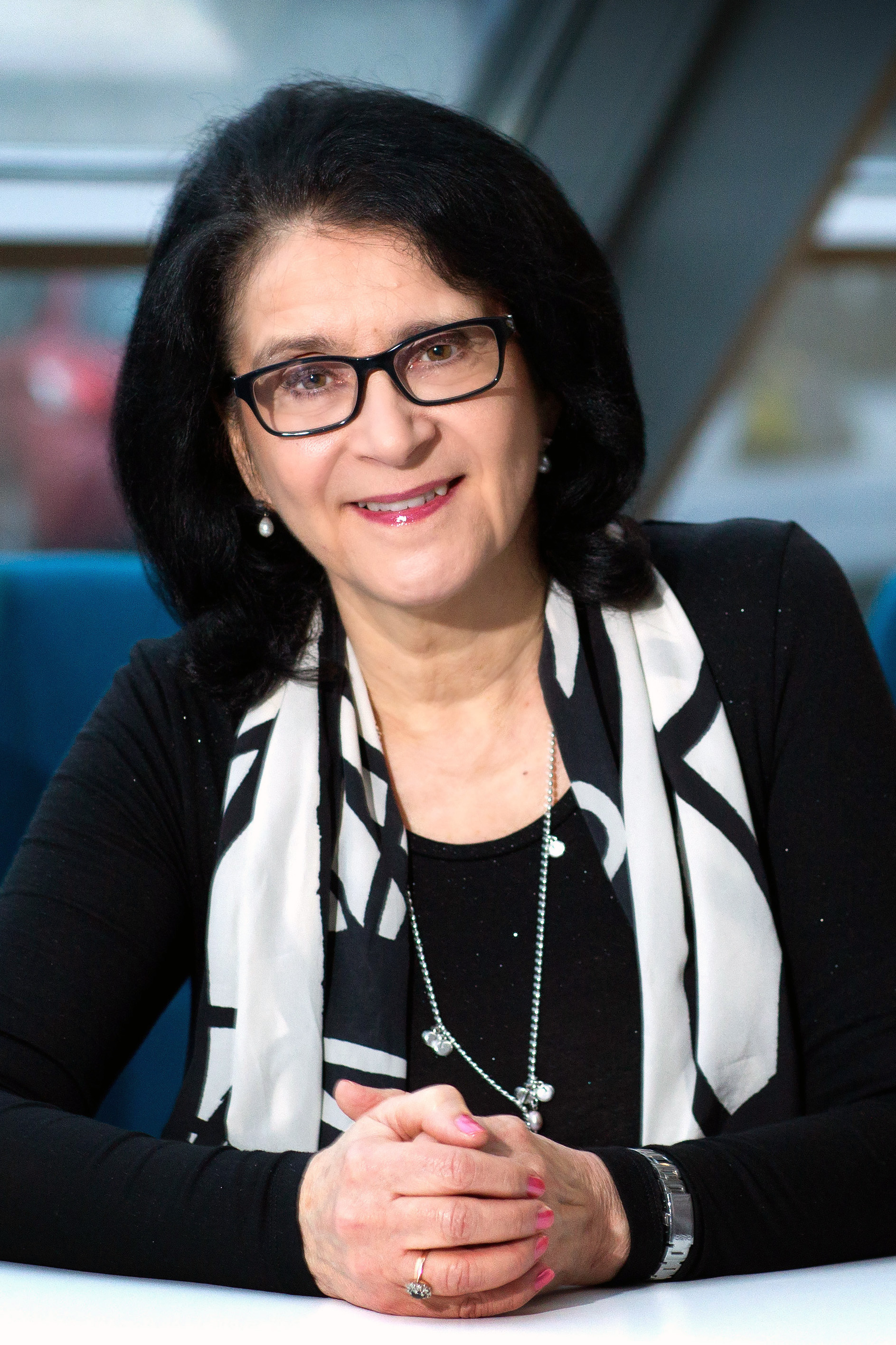
As high-quality education becomes increasingly valuable, Hannele Niemi argues that closing the educational gap is more critical than ever
LOS ANGELES, CA, UNITED STATES, June 8, 2026 /EINPresswire.com/ — Even in a rapidly changing world with widespread access to information, deep inequalities in education continue to shape student outcomes across the globe. Hannele Niemi, Professor of Education at the University of Helsinki, is drawing attention to the widening gap between students who receive high-quality education and those who do not.
“In principle, we have the tools to educate every child well,” Niemi explains. “In practice, too many children’s opportunities are still shaped by where they are born and the resources of their families.”
Although education is widely recognized as a key pathway to opportunity, access to strong learning environments remains uneven, even in many developed countries. Students from lower-income backgrounds are more likely to attend under-resourced schools, have fewer advanced course options, and receive less consistent academic support. In the United States, about 25% of students from high-poverty high schools complete a postsecondary degree, compared to more than half of their peers in wealthier communities.
Niemi points to several structural drivers behind these gaps, including uneven distribution of experienced teachers, funding differences between schools, unequal access to technology, and disparities in early childhood education. Together, these factors shape whether students can expand or limit their long-term opportunities.
“The idea that access alone creates equality is misleading,” she notes. “What determines outcomes is the quality of support behind that access.”
She continues, “Most children will need help at some point during their schooling; timely support is decisive in preventing drop-out.”
The effects extend well beyond the classroom. Individuals with higher levels of education tend to earn significantly more over their lifetimes, while those with lower attainment face fewer job opportunities and reduced income. At a broader level, persistent educational inequality weakens productivity, limits innovation, and reduces long-term economic resilience.
Niemi is calling for education systems to move beyond incremental reform and toward bigger structural change, with stronger investment in early intervention, teacher preparation, and equitable resource allocation.
“Education is more than preparation for work,” she says. “It determines opportunity, participation, and dignity. When gaps persist, they shape society for generations.”
About Hannele Niemi
Hannele Niemi is a Professor of Education at the University of Helsinki and an internationally recognized scholar in educational equity, teacher education, and learning systems reform. Raised in Finland in the 1950s in a working-class family, she experienced early academic struggles and firsthand educational inequality, shaping her lifelong commitment to expanding opportunity through learning.
Internationally, Niemi has advised the OECD and European Union, lectured in more than 30 countries, and authored over 400 scientific publications. Her work has been central to Finland’s education reforms, with a recent focus on digital learning and artificial intelligence as tools to expand equity and improve access to high-quality education worldwide.
She is the author of several influential books on education, including The Miracle of Education: The Principles and Practices of Teaching and Learning in Finnish Schools (2016) and AI in Learning – Designing the Future (2023), both widely cited in international education research and policy discussions.
To learn more, click here: https://researchportal.helsinki.fi/en/persons/hannele-niemi/
Hannele Niemi is available for interviews.
Amanda Kent
Boundless Media USA
+1 313-403-5636
email us here
Legal Disclaimer:
EIN Presswire provides this news content “as is” without warranty of any kind. We do not accept any responsibility or liability
for the accuracy, content, images, videos, licenses, completeness, legality, or reliability of the information contained in this
article. If you have any complaints or copyright issues related to this article, kindly contact the author above.

Media gallery