
As global obesity rates continue to rise and consumers become increasingly health-conscious, the global food industry is shifting from emphasising large portions and satiety toward precision nutrition and calorie management. Foods that offer balanced portions and higher nutritional value are becoming central to healthier lifestyles.

CHICAGO, IL (MERXWIRE) – Walking through supermarkets across Europe and North America, consumers are increasingly encountering everyday products—including potato chips, biscuits, yoghurt, pasta, and pasta sauces—prominently labelled as “high protein,” “high fibre,” or “low sugar.” While food manufacturers once focused on offering larger portions and greater satiety, the industry is now moving toward appropriately portioned products designed to support healthier eating habits. Delivering foods that combine taste, nutrition, and calorie control has become a major direction for global food brands.
According to NielsenIQ’s (NIQ) Global State of Health & Wellness survey, which covered nearly 19,000 respondents across 19 countries, 53% of consumers said they intend to purchase more high-fibre foods over the next year. Approximately 40% also plan to increase their intake of high-protein foods, plant-based proteins, or probiotic products. Meanwhile, at Natural Products Expo West, one of North America’s largest natural food exhibitions, “protein everywhere” emerged as a defining industry trend, with high-protein ingredients expanding well beyond traditional whey beverages into baked goods, snacks, and a wide range of packaged foods.
Nutrition research indicates that protein plays a vital role in maintaining muscle mass, while dietary fibre slows digestion and promotes satiety, helping reduce excessive calorie intake between meals. Compared with conventional snacks that are often high in sugar or fat, foods rich in protein and fibre provide more sustained energy and have become preferred choices for consumers seeking effective weight management and healthier daily meal planning.
Growing concerns over persistently high obesity rates worldwide are also driving changes in food packaging. Food manufacturers are increasingly introducing portion-controlled snack packs that help consumers better manage serving sizes and avoid unintentionally overeating from larger packages. Combined with high-protein and low-sugar formulations, these smaller packages not only meet the convenience needs of busy consumers but also provide practical solutions for reducing health risks associated with excessive calorie consumption.
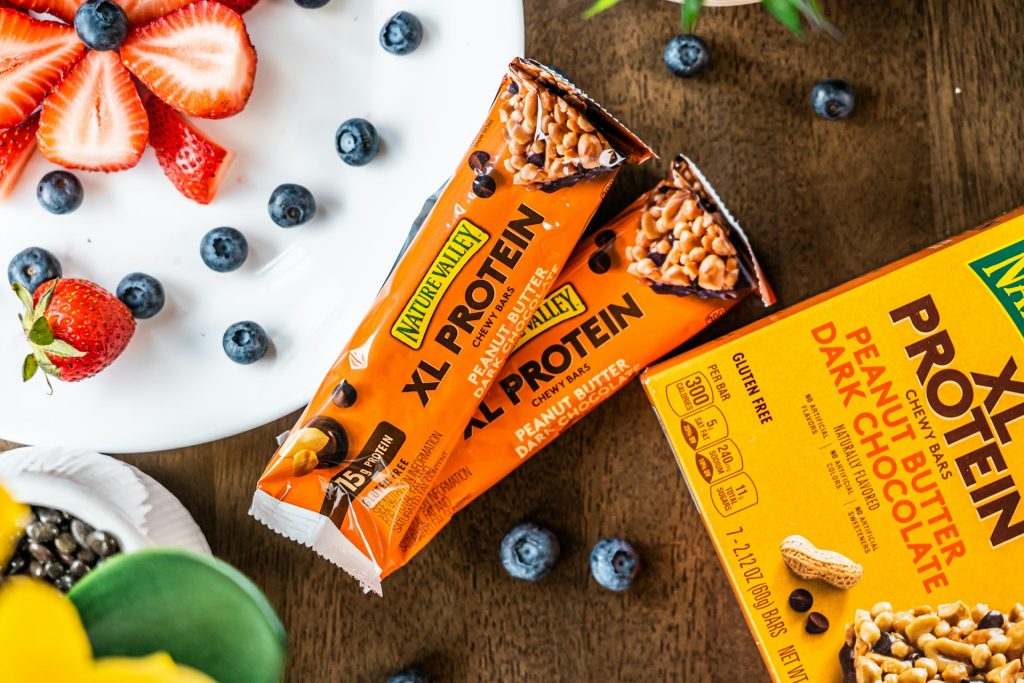
The role of the food industry is evolving from simply satisfying hunger to becoming a partner in supporting healthier lifestyles. However, public health experts emphasise that while functional snacks and portion-controlled products can offer greater convenience, maintaining good health ultimately depends on long-term lifestyle habits. Consumers are encouraged to practice mindful eating by controlling portion sizes, prioritising whole foods, and engaging in regular weekly physical activity. Together, these habits remain the foundation for effective calorie management, improved metabolism, and long-term health.


